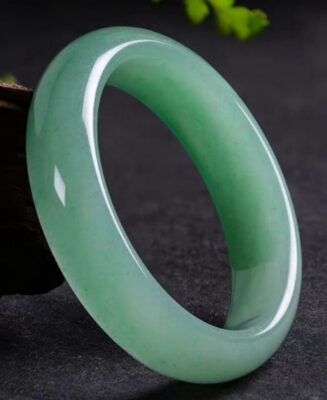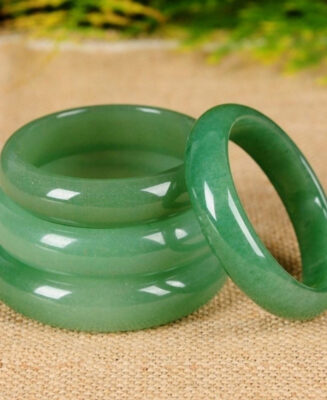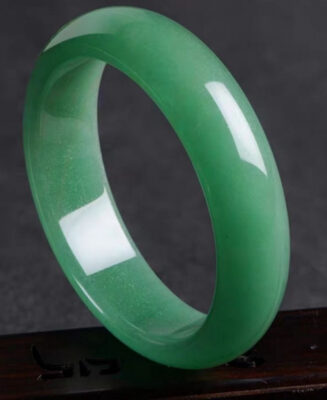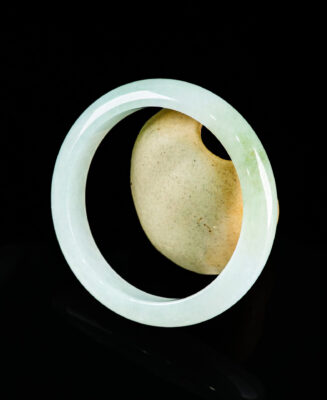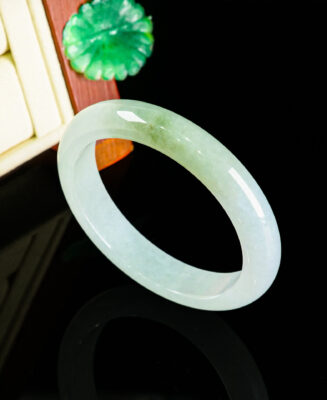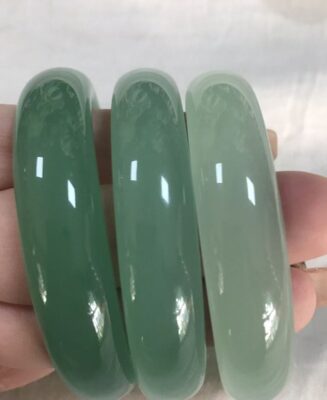
All jewelry, including jade, must comply with safety standards applicable in North America and the destination market. For adult jewelry, the core safety standard is ASTM F2999, which explicitly applies to materials such as jade bracelets.
Specific hazardous substance limits include:
- Lead: No more than 1.5% of total mass in unplated metals; no more than 600 ppm in surface coatings.
- Nickel: Metal components in direct contact with the skin must not release more than 0.5 µg/cm²/week to reduce allergy risk.
- Other coating substances: Antimony, arsenic, mercury, and others are also subject to defined solubility limits (e.g., arsenic ≤ 25 ppm, mercury ≤ 60 ppm).
For sales in the EU, products must also comply with REACH regulations, which set even stricter limits for cadmium, lead, and nickel.
Jade-Specific Safety Risks
Jade itself is a natural mineral. The main risks lie in processing treatments and metal components.
- Treatment Disclosure: Sellers must disclose gemstone treatments, such as heat treatment, irradiation, coating, or oiling. Undisclosed treatments may affect the safety of the jade.
- Heavy Metal Risks in Metal: Cadmium is a known human carcinogen, and long-term exposure poses serious health risks. The metal clasps, chains, and other components of jade jewelry from unverified sources may carry similar risks.
How Buyers Can Ensure Safety
- Check for test reports: Reputable sellers can provide ASTM F2999 or REACH compliance test reports.
- Be wary of abnormally low prices: Cheap “silver” or “jade” items priced far below market value are high-risk for heavy metal contamination.
- Review product descriptions: Check whether the treatment method of the jade (e.g., “heat treatment,” “irradiation”) is clearly disclosed.
- Inspect upon receipt: If you experience redness, itching, or discoloration of the skin after wearing the item, stop wearing it immediately and consider a return.
- Use the return policy: Jewelry typically has a 30-day return window, so you can return the item if you have concerns.